 businessscales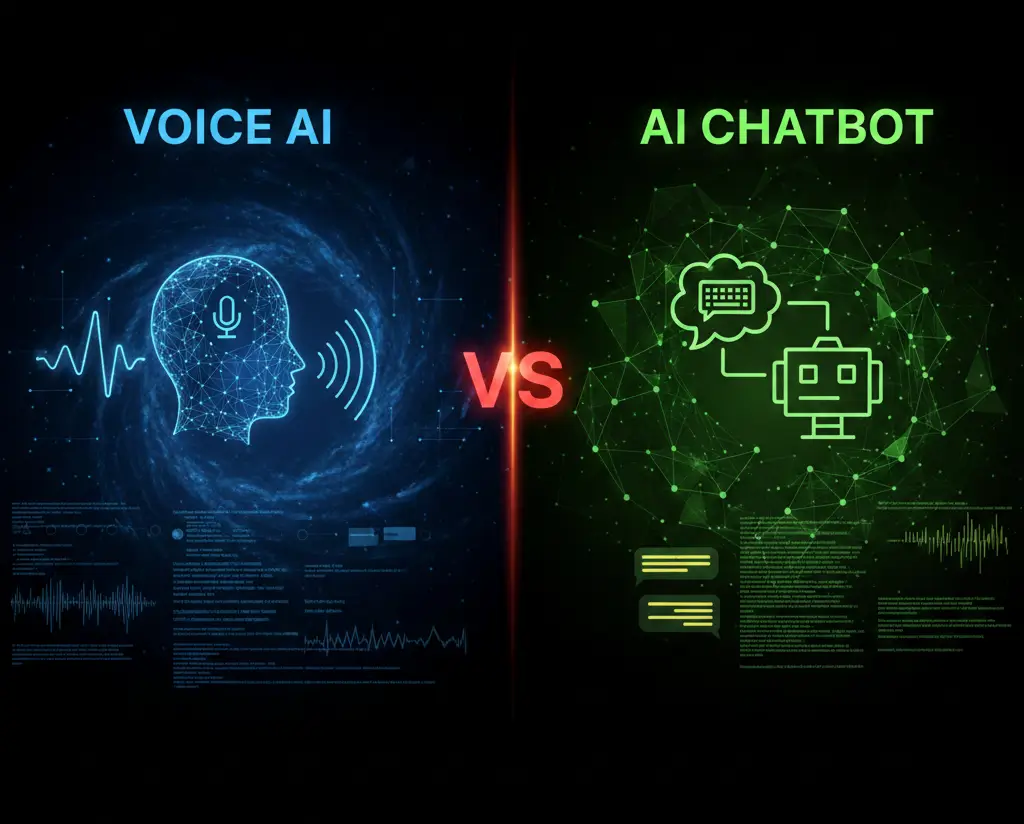
What is Different Between Voice AI and Chatbot is a question many business owners are asking as AI becomes part of daily work in 2026.
Real estate agents still miss calls while showing properties. Insurance teams get flooded during peak hours. Car dealerships lose inquiries after office hours.
The difference is that, in 2026, customers expect an answer every time.
Many businesses start with chatbots. Some move to Voice AI. Both sound similar. But in real situations, they work very differently.
One handles text. The other handles live conversations. One waits. The other responds instantly.
This article explains the real difference between Voice AI and chatbots, using practical examples from real estate, insurance, and car dealerships.
No buzzwords. Just how these tools affect leads, follow-ups, and peace of mind in 2026.
What Is Voice AI?
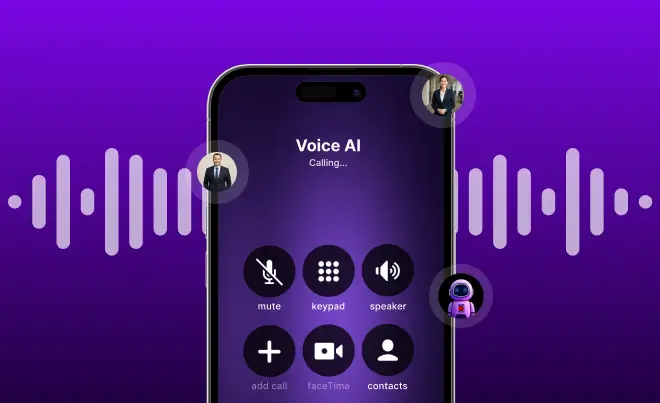
Voice AI is an AI agent that talks to people on phone calls.
It listens. It understands intent. It responds in natural language. And it takes action.
That action can be answering questions, qualifying leads, booking appointments, or sending confirmations by email or SMS.
Think of it like a trained assistant who never sleeps and never gets overwhelmed.
We have seen this first-hand. A real estate agent is on a site visit. Phone rings. Another lead. Then another. Voice AI steps in. All calls are answered. No panic. No guilt. No missed opportunity.
What Is a Chatbot?
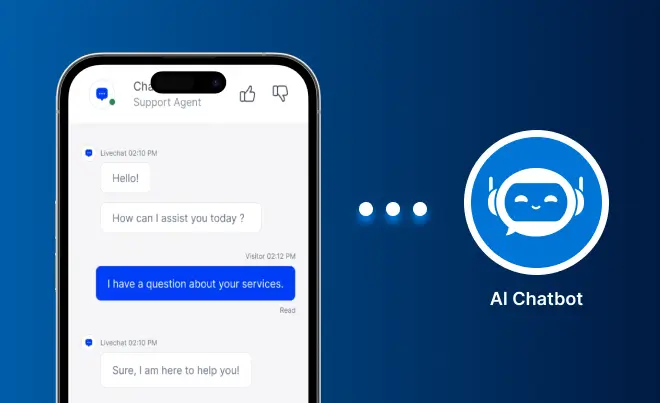
A chatbot communicates through text. Website chat. WhatsApp. Messenger. It works well for basic questions. Office hours. Pricing ranges. Contact forms. But it depends on one thing. The user must type. And that’s the limit.
High-intent buyers do not always want to type. They want to talk, especially in real estate, insurance, and car buying. These are emotional decisions. Text feels slow. Calls feel real.
What is Different Between Voice AI and Chatbot
This is where the gap becomes obvious. Both tools automate communication. But they behave very differently in real work.
| Area | Voice AI | Chatbot |
|---|---|---|
| Communication style | Talks to callers in natural language | Responds through text messages |
| Customer interaction | Feels like speaking to a human | Feels like filling a form |
| Response speed | Answers instantly, even at night | Waits for users to type |
| Handling urgency | Responds well to urgent, emotional calls | Limited in urgent situations |
| Lead qualification | Asks follow-up questions in real time | Often relies on predefined flows |
| Trust building | Higher trust through voice interaction | Lower trust for high-value decisions |
| Best use cases | Real estate, insurance, car dealerships | FAQs, basic support, browsing users |
| Impact on revenue | Protects high-intent leads | Supports low-intent inquiries |
In industries where calls mean money, this difference matters.
How an AI Voice Agent for Real Estate Handles Leads in Real Life
Let me explain this with a simple scene. A buyer sees a property ad at night. It’s 10:30 PM. They call. With a chatbot, nothing happens. Or they see a form. Most people close the tab.
With Voice AI, the call is answered. Questions are handled. Budget and timeline are checked. A viewing is booked. A confirmation email is sent. The agent wakes up to a qualified lead instead of a missed call notification.
That’s not automation. That’s protection.
What is Different Between Voice AI and Chatbot for High-Intent Buyers
High-intent buyers don’t browse. They act. Voice AI meets them at that moment. Chatbots often miss it. This is why real estate agents, insurance companies, and car dealers lean toward Voice AI once call volume increases.
For example, before and after Voice AI in Real Estate
Before Voice AI
- Agents answer 50+ repetitive calls every day
- Rent, buy, and sell questions repeat all day
- Serious buyers get mixed with casual inquiries
- Missed calls create anxiety and lost opportunities
- Follow-ups depend on memory and available time
- When agents are unavailable, calls go unanswered
After Voice AI with BusinessScales
- AI filters inquiries before reaching agents
- Asks key qualification questions based on your workflow
- Passes only serious, ready-to-talk leads to agents
- Appointments are booked automatically
- Email and SMS confirmations are sent instantly
- Follow-ups run on custom logic defined by the business
- AI can be trained with new knowledge anytime (listings, pricing, availability)
- If an agent is on vacation, calls can be routed to a colleague automatically
- The AI adapts as the business changes, without missing a single lead
Agents stop living in reaction mode.
What Changes When Calls Are Handled Faster
Voice AI saves money quietly.
- Fewer missed leads from paid ads
- One AI agent handles unlimited calls
- Less need for support staff
- Faster response increases conversion rates
In real estate alone, agents save 20–30 hours per week. That’s almost one extra workweek every month. Insurance teams see fewer dropped calls. Car dealerships see faster test-drive bookings.
Chatbots help with volume. Voice AI protects revenue.
How Work Feels After Automation
This part is rarely discussed. But it matters.
Without Voice AI:
- Agents feel anxious during meetings
- Every missed call feels like lost money
- Follow-ups pile up
- Work feels reactive
With Voice AI:
- Calls are handled 24/7
- Leads are acknowledged instantly
- Agents feel calm
- Focus shifts to relationships
We have heard this exact line from agents so many times:
“I finally stopped worrying about my phone.”
That peace of mind is a real value.
Voice AI in Insurance and Car Dealership Operations
Insurance buyers want clarity. They ask detailed questions. Voice AI handles first-level explanations and routes serious cases.
Car buyers often call outside office hours. Voice AI answers, shares details, and schedules visits.
In both cases, chatbots assist. Voice AI closes the gap.
How BusinessScales AI Voice Agent Fits In
AI voice agents are not fixed scripts. They are fully customizable. They can be trained with business-specific knowledge and updated anytime.
For example, if a real estate agent is on vacation, the AI agent can route calls to a colleague instead of letting calls go unanswered.
No lead is lost. No client feels ignored.
In car dealerships, new car models, features, pricing updates, and availability can be added to the AI agent’s knowledge base.
This allows the AI to answer questions accurately and confidently, just like a trained sales assistant. The AI adapts as the business evolves.
BusinessScales AI Omnichannel Agent:
- 24/7 call handling
- Instant lead qualification
- Automated follow-ups
- Seamless appointment scheduling
- Accurate property information
Agents handle negotiation, trust, and closing. AI handles repetition.
It’s not a replacement. It’s a balance.
Voice AI + Chatbot
By 2026, Voice AI will not be limited to handling basic calls. More AI voice agents will be added into daily business workflows across real estate, insurance, and car dealerships.
For car dealerships, Voice AI will handle car maintenance scheduling, service reminders, and follow-up calls after purchases. Customers won’t need to remember service dates. The AI agent will do it automatically.
This shift is already happening. And it’s becoming a standard expectation, not a bonus feature.
Final Thoughts
Choosing between a chatbot and an AI voice agent is not about trends. It is about workload. If your business depends on calls, trust, and fast response, Voice AI fills the gaps that chatbots can’t.
Voice AI is no longer just about answering calls. It is about adapting to your schedule, your data, your team, and your clients – automatically. As businesses move into 2026, flexibility and follow-up intelligence will matter more than raw automation.
Chatbots organize information. Voice AI protects opportunity.
And now you clearly understand what the difference is between Voice AI and Chatbot and why the difference matters when real money and real people are involved.
If you are exploring an AI voice agent for your business, let us know. Our team takes time to understand your workflow and builds a customized AI omnichannel agent that fits how your business actually works. Book Your Demo Now →